MedReality Logo

Digitization of Organs

Digitization of Organs

The Future of Medical Education

The Future of Medical Education

Medical

Service

Education

Virtual Reality

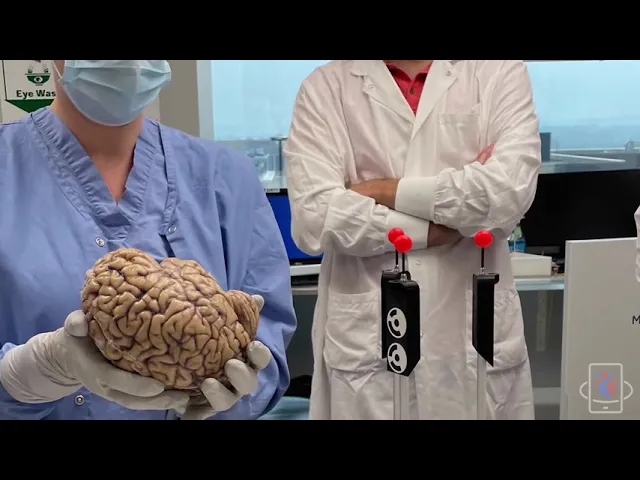
The quality of medical education increases when students have access to 3D models of real organs instead of being limited to two-dimensional images or standardized models. Although it is already possible to view models of organs on the computer or via augmented reality, until now these models were usually computer-modeled and therefore merely generic. In contrast to those, 3D scans of real organs can prepare future physicians for anomalies and individual characteristics that they will later have to deal with in their daily clinical routine. For the first time, these essential skills can be partially acquired without having to perform autopsies. In addition, realistic visualizations are helpful for the communication between doctors and patients, in order to clarify facts in explanatory talks, realistically using real 3D models of organs or to visualize the complex course of an upcoming operation more precisely.

The quality of medical education increases when students have access to 3D models of real organs instead of being limited to two-dimensional images or standardized models. Although it is already possible to view models of organs on the computer or via augmented reality, until now these models were usually computer-modeled and therefore merely generic. In contrast to those, 3D scans of real organs can prepare future physicians for anomalies and individual characteristics that they will later have to deal with in their daily clinical routine. For the first time, these essential skills can be partially acquired without having to perform autopsies. In addition, realistic visualizations are helpful for the communication between doctors and patients, in order to clarify facts in explanatory talks, realistically using real 3D models of organs or to visualize the complex course of an upcoming operation more precisely.

MedCreator - Bring Medical Specimens into 3D

MedCreator - Bring Medical Specimens into 3D

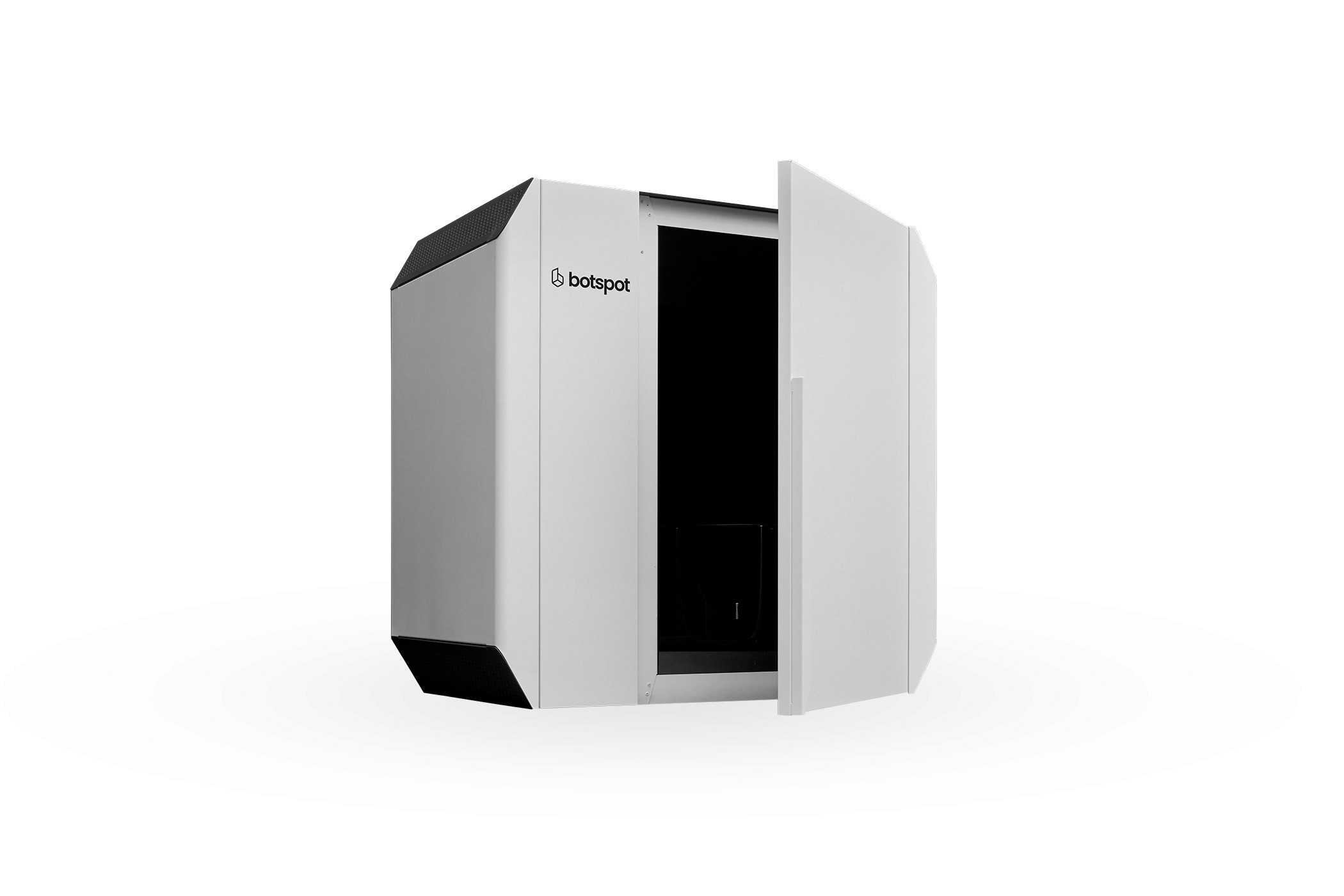
The video demonstrates the digitization of a real anatomical specimen using MedCreator, powered by botspot’s automated photogrammetry technology. The specimen is captured from multiple angles within the scanner and transformed into a highly detailed, photorealistic 3D model, ready to be explored digitally through the MedReality platform.

The video demonstrates the digitization of a real anatomical specimen using MedCreator, powered by botspot’s automated photogrammetry technology. The specimen is captured from multiple angles within the scanner and transformed into a highly detailed, photorealistic 3D model, ready to be explored digitally through the MedReality platform.

The Story

The Story

Thyng develops immersive 3D solutions that make medical knowledge more accessible, interactive, and realistic. Through its MedReality platform, real anatomical specimens can be transformed into digital 3D assets for education, communication, and visualization. By integrating botspot’s MOMENTUM scanning technology into the MedCreator workflow, Thyng enables the efficient digitization of real organs and anatomical specimens—creating highly detailed, photorealistic models that can be experienced across web, mobile, and augmented reality.
We'd love to hear from you!

Just fill out the form below and we will be in touch with you shortly.

We'd love to hear from you!

Just fill out the form below and we will be in touch with you shortly.

Stay updated about botspot

Copyright © 2026 botspot, All rights reserved

Stay updated about botspot

Copyright © 2026 botspot, All rights reserved

Stay updated about botspot

Copyright © 2026 botspot, All rights reserved