3D Scanning Hair – Beyond the Limits of Photogrammetry
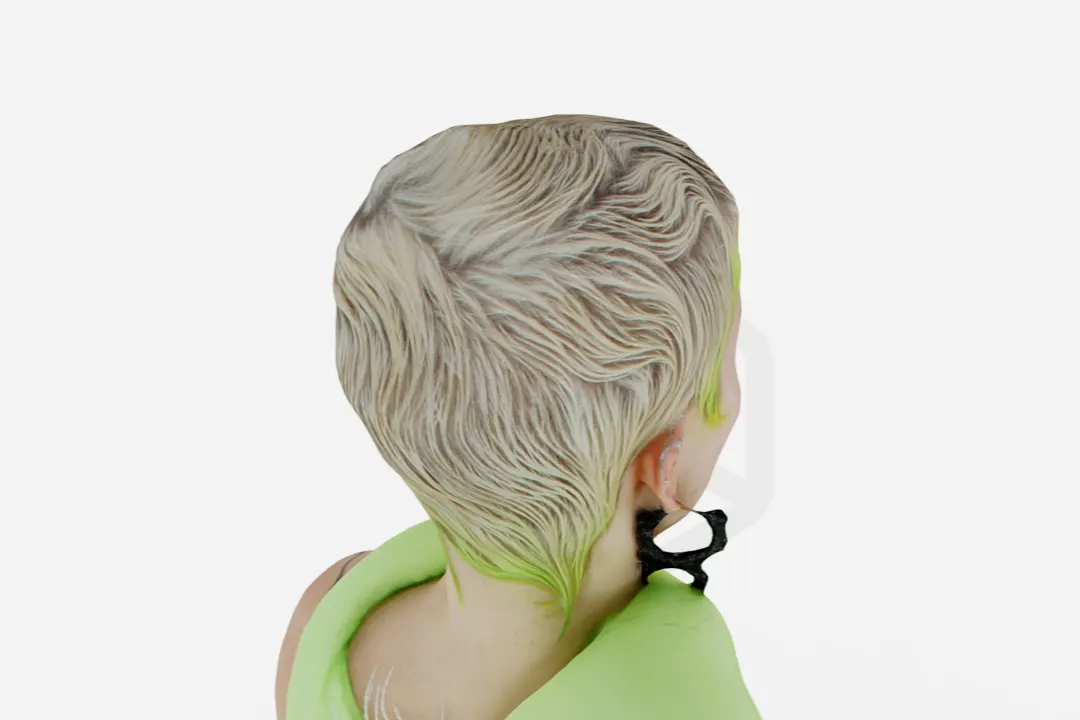
While photogrammetry has proven to be the most successful method for creating a “natural-looking” 3D model of people, creating life-like digital twins, there are, of course, limitations to the technology. One of these limitations is accurately portraying hair on a human body, and even the most expensive and top-end scanners in the market struggle in this respect.
Why is Human Hair so Hard to Scan?
The properties of hair make it extremely hard for 3D scanners to recognize and recreate. If not seen under a microscope, hair lacks any surface texture or contrast, and is often reflective, thin and translucent. Each individual hair follicle reflects light in a way that even high resolution cameras struggle to interpret. This makes it difficult for photogrammetry software to identify suitable reference points and create accurate data, leading to a mesh with a strange shell around the head that is interpreted as “noise”. And even if scanners were able to precisely capture every little detail, the amount of resulting data would certainly exceed the file size of the 3D model.
Solutions to this Problem
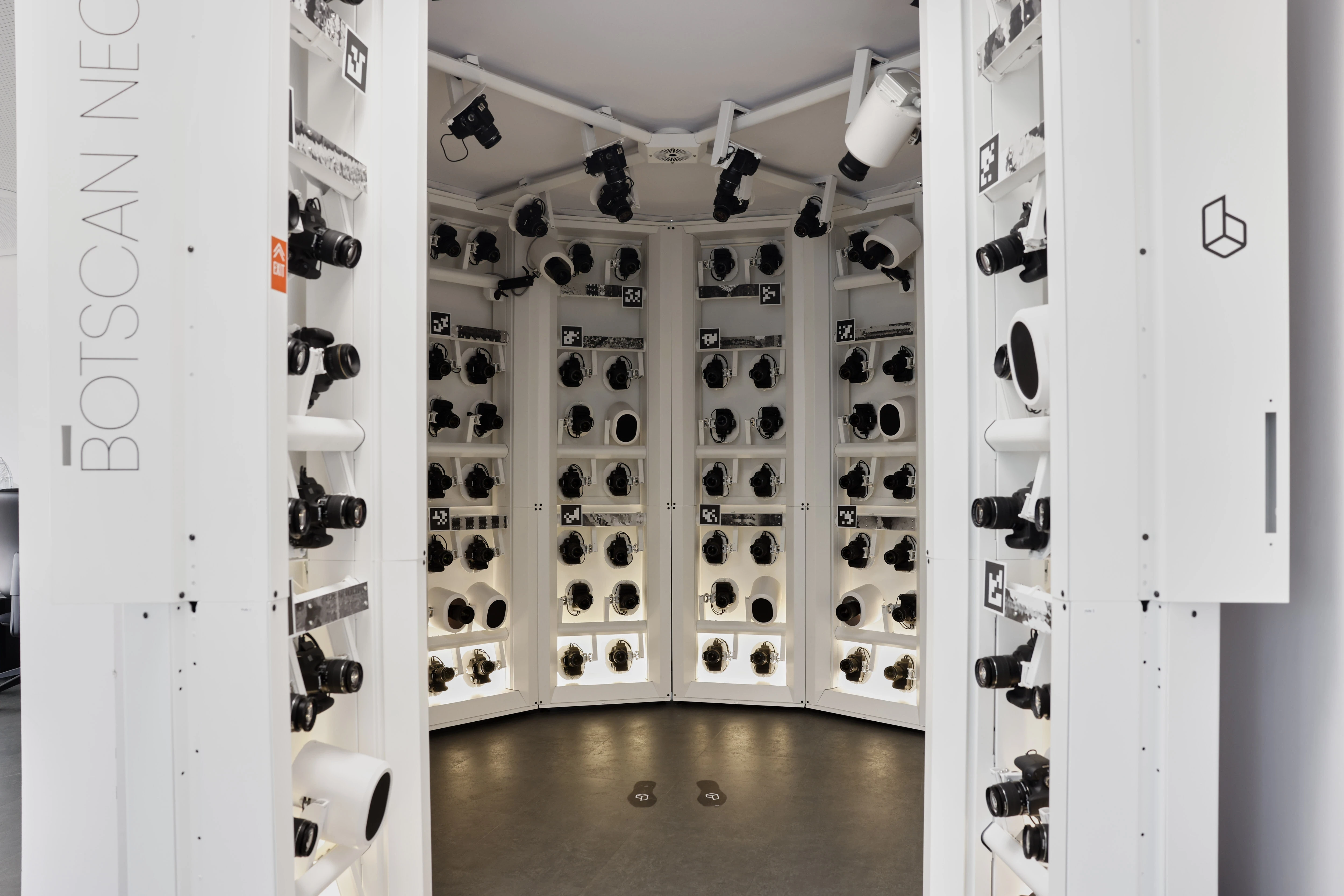
High-end scanners which utilize the most advanced photogrammetry set-ups, like the BOTSCAN NEO, are able to create the best possible raw model results, with the correct general shape of the hair. However, it will never come close to a true surface representation. The result will always be a “blocky” surface of hair on the head or body. No matter how good the scan is, you will always need a lot of post-processing to achieve high-quality models.
The most cost-effective and successful solution to this problem is the use of hair nets or caps on people being scanned. This creates a 3D model with a clean area for hair to be added digitally in post-processing by specialized artists. There are even companies who offer “digital hairdressing” services, with realistic 3D hair models for sale, created by experts on the subject.
And while the effort required for a static 3D model with realistic-looking hair is already enormous, animation takes it a step further. Think of Merida in Pixar’s animation film Brave for example. Her hair alone was the result of three years of work by six research engineers and artists, and involved an entirely new software system being created.
Every Use Case is Different
Ultimately, however, it always depends on the specific application and how much effort you actually want (or have to) put in. A Hollywood film on the big movie screen or a virtual fashion show naturally has completely different requirements than a simple, non-animated avatar or use in the gaming sector, where a slightly pixelated display is often even desired. And if you just want to 3D print a small figure of yourself, in most cases there isn’t even need for any post production at all.


Industries Where Millimeters Matter: Why These Sectors Rely on High-Accuracy 3D Body Scanning
5 Things Cheap 3D Body Scanners Can't Do (That Professional Ones Can)
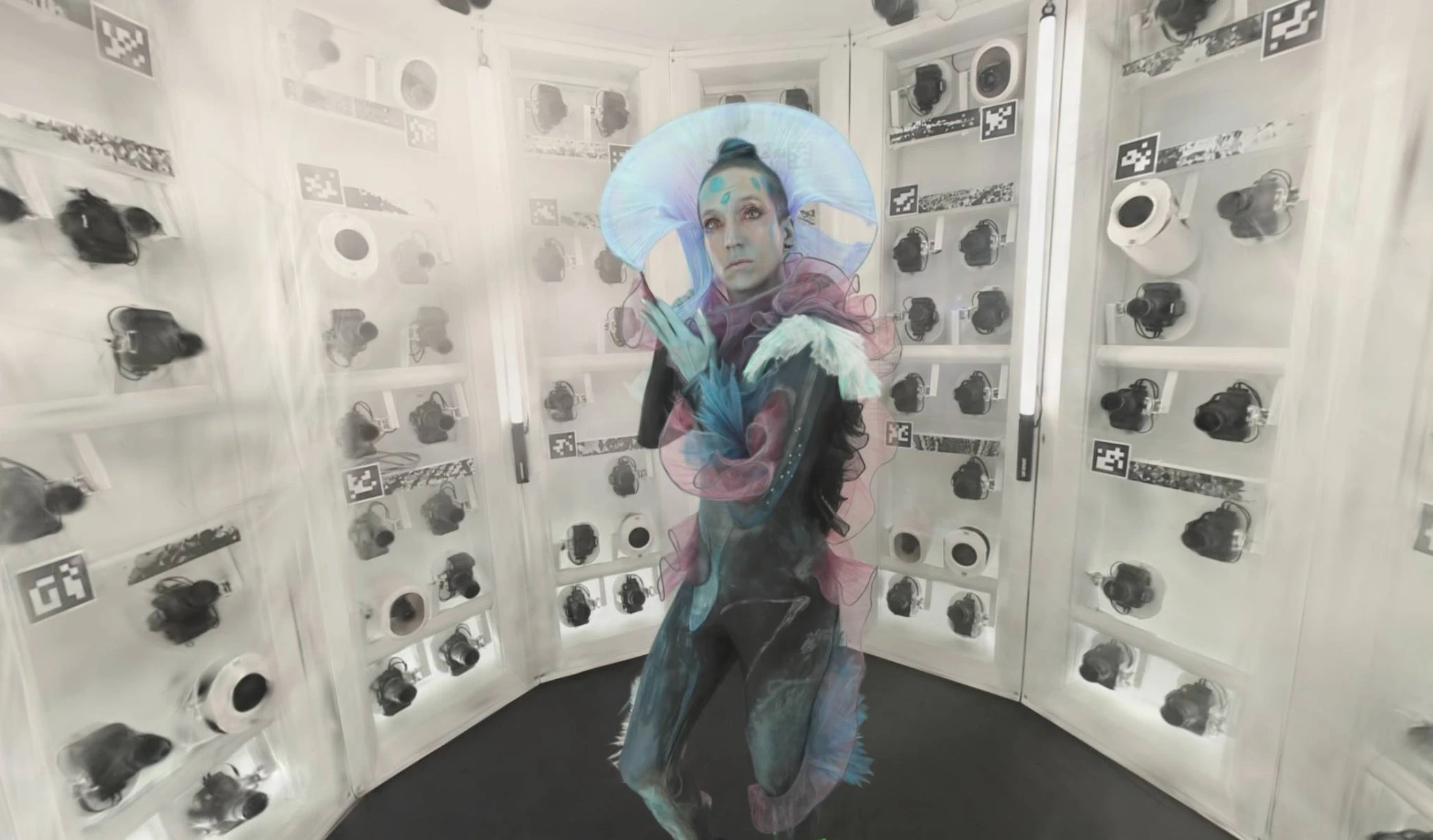
Augmented Ubiquity: The First 4D Gaussian Splat Captured with a botspot Scanner

360° Photography with the Momentum 2.0

botspot’s Automation Suite: Complete Control Over Your 3D Scanning Workflow